

Casey Ellis, on the record.
1,435 items across 6 categories: press, broadcast, stage, and paperwork. Captured, displayed, and archived for posterity.

The Russian webcam attacks are just the tip of iceberg for potential home network attacks
A VentureBeat article from November 2014 examines how recent Russian webcam attacks signal broader home network security vulnerabilities. Casey Ellis discusses the expanding scope of potential threats targeting connected devices in residential environments beyond cameras.
Seven things every director should know about IT security
An article published in the Financial Review outlines seven key things company directors should know about cybersecurity. Casey Ellis contributes perspective on the critical IT security issues boards need to understand and address in their governance responsibilities.
Welcome to the blue team! How building a better hacker accidentally built a better defender.
A presentation at the 2014 AISA National Conference explored how developing offensive security skills inadvertently creates more effective defensive practitioners. Ellis discussed the parallels between hacker and defender mindsets, examining how understanding attack methodologies strengthens defensive capabilities and blue team effectiveness.
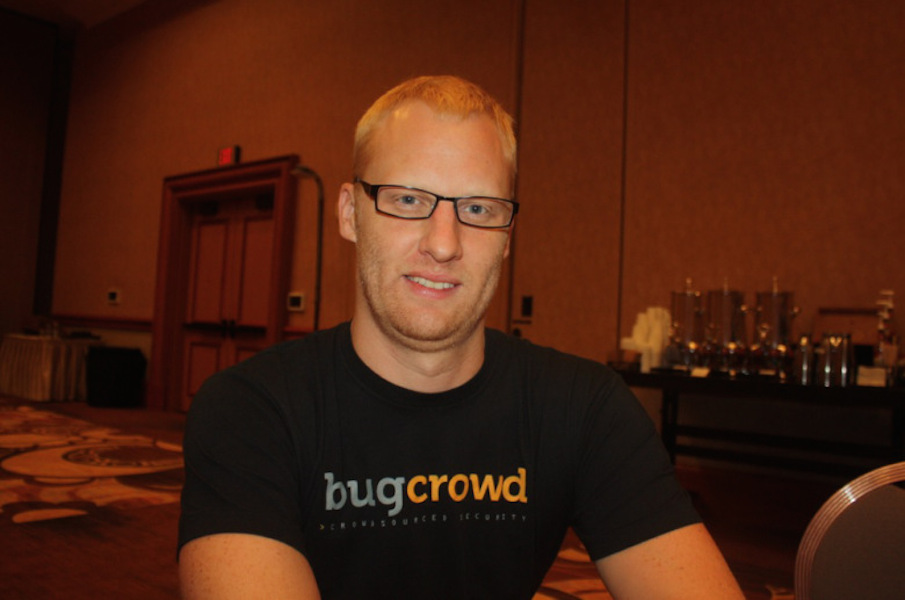
The future of Hacking – with Bugcrowd co-founder Casey Ellis
Startup Daily published a podcast interview with Bugcrowd co-founder Casey Ellis discussing the future of hacking and crowdsourced security approaches. Ellis explores how distributed security testing models are reshaping vulnerability discovery and organizational defenses against evolving threats.

This Guy Convinced Google, Dropcam, Pinterest To Let 10,000 Hackers Attack
Business Insider published a feature on Bugcrowd and its approach to managing bug bounty programs for major technology companies including Google, Dropcam, and Pinterest. Casey Ellis founded the platform to coordinate security testing by thousands of independent hackers, helping organizations identify vulnerabilities before malicious actors exploit them.

How building a better hacker accidentally built a better defender
A Derbycon IV stage presentation explores how the process of developing hacker skills can inadvertently strengthen defensive capabilities. Casey Ellis discusses the parallels between offensive and defensive security mindsets and how experience in one domain informs and improves practice in the other.
IT Bugs and glitches are the new frontier for bounty-hunters
Financial Times published a feature article on the rise of bug bounty programs and the growth of ethical hacking as a business model. Casey Ellis provided commentary on how organizations are leveraging bounty hunters to identify and address software vulnerabilities at scale.

The story of Bugcrowd, from Startmate to San Francisco
SmartCompany published this 2014 article on the history of Bugcrowd, from its early days to its move to San Francisco. Casey Ellis started Bugcrowd with Serg Belokamen after the two had worked together at a small consulting firm selling security testing by the day before joining Startmate.

Blackphone, Silent Circle Launch Bug Bounty Programs
SecurityWeek reported on Blackphone and Silent Circle launching bug bounty programs for their privacy-focused products. Casey Ellis contributed to the announcement as a key figure in establishing responsible vulnerability disclosure practices for the initiative.

When Its A Good Idea To Invite An Army Of Hackers To Attack You
A Forbes article discusses the strategic benefits of organized hacking programs and security testing. Casey Ellis explains how companies can leverage coordinated hacker communities to identify vulnerabilities and improve their security posture before malicious actors exploit weaknesses.

Risky Business #335 -- Whaledump hacker could change NZ government - Risky Business Media
Risky Business #335 is a 2014 podcast episode from Risky Business Media, covering the Whaledump hacker and the possible effect on New Zealand's election campaign. Casey, head of BugCrowd, joins the hosts to discuss the infosec skills shortage in testing and whether platforms like BugCrowd can supply enough talent.

Twitter launches bug bounty program - Help Net Security
This Help Net Security article, published September 4, 2014, reports that Twitter has launched its own bug bounty program through the security platform HackerOne. It also points readers to a related piece on lessons learned from running 95 bug bounty programs with Casey Ellis, CEO of Bugcrowd.

Lessons learned from running 95 bug bounty programs
Help Net Security published an article in which Casey Ellis shares lessons from operating 95 bug bounty programs. Ellis discusses vulnerability disclosure practices and framework approaches that have emerged from Bugcrowd's experience managing a large portfolio of coordinated security researcher engagements across multiple organizations.

Online Tools For Bug Disclosures Abound
An article in Dark Reading examines the expanding landscape of online platforms designed to streamline bug disclosure processes. Casey Ellis is mentioned as a key figure contributing to this space through his work on disclosure coordination tools.
How Bugcrowd uses crowdsourcing to uncover security flaws faster than the bad guys do (interview)
VentureBeat published an interview with Casey Ellis on how Bugcrowd applies crowdsourcing to identify security vulnerabilities ahead of threat actors. Ellis discusses the company's methodology for leveraging distributed security researchers to discover flaws faster than attackers can exploit them.

When Hackers Test For Flaws, They Might Earn Cash - Or Threats
NPR's All Tech Considered feature examines the dual nature of ethical hacking, where security researchers test software for flaws and may receive cash rewards or legal threats. Casey Ellis discusses the risks and incentives that security researchers face when identifying vulnerabilities, contributing perspective on the bug bounty landscape.

Security, Legal Groups Aim to Make Software Flaw Disclosure Easier
eWEEK published an article on efforts by security and legal groups to streamline the software flaw disclosure process. Casey Ellis contributed to discussions on making vulnerability reporting easier and safer for security researchers.

Bugcrowd Launches Open-source Disclosure Framework
Infosecurity reported on Bugcrowd's launch of an open-source vulnerability disclosure framework in July 2014. Casey Ellis, as Bugcrowd's founder, led the development of the framework to standardize how organizations handle and communicate security vulnerabilities with researchers.

Open source responsible disclosure framework released - Help Net Security
This Help Net Security article from July 25, 2014, reports that Bugcrowd, a crowdsourced security testing company, released an open source guide for setting up responsible disclosure programs. Casey Ellis, Bugcrowd's CEO and co-founder, says the framework helps companies prepare to work with independent security researchers while reducing legal risks for researchers and companies.

Bugcrowd Releases Bug Bounty Program Framework
SecurityWeek's July 2014 press article reports that Bugcrowd, a crowdsourced security company, released a guide helping organizations set up responsible disclosure programs. Casey Ellis, Bugcrowd's CEO and co-founder, is quoted saying the framework supports the clarity and trust needed for independent researchers and companies to collaborate.

Bugcrowd Releases Open Source Vulnerability Disclosure Framework
Bugcrowd released an open-source vulnerability disclosure framework as covered by ThreatPost. The framework provides standardized guidance for organizations and security researchers to establish responsible disclosure practices and protect researcher safety during vulnerability reporting.

Welcome to the blue team! How building a better hacker accidentally built a better defender.
Casey Ellis spoke at Converge Detroit 2014 on the relationship between offensive and defensive security practices. He discussed how the process of building stronger attackers inadvertently strengthens defenders and the practical lessons that emerge from that dynamic.

Bugcrowd adds flex pricing model to bug-bounty programs
Network World reported on Bugcrowd's introduction of a flexible pricing model for bug bounty programs. Casey Ellis, Bugcrowd's founder, explained how the new model allows organizations to adjust spending based on vulnerability severity and program needs.

Bugcrowd Launches New Security Testing Program
A Security Week press item from June 2014 announces the launch of Bugcrowd's new crowdsourced security testing program. Casey Ellis, as Bugcrowd's founder, led the development of this platform to connect organizations with independent security researchers for vulnerability discovery.

Crowdsourcing Finding Its Security Sweet Spot
ThreatPost published an article examining how crowdsourcing has become an increasingly accepted model within the cybersecurity industry. Casey Ellis discusses the maturation of crowdsourced security approaches and their growing adoption as organizations recognize their practical value for vulnerability discovery.

Experts tout benefits of bug bounty program outsourcing
A TechTarget article from June 2014 examines the advantages of outsourcing bug bounty programs to dedicated platforms. Casey Ellis is quoted discussing how outsourcing to platforms like Bugcrowd allows organizations to access broader researcher networks and reduce operational overhead in managing vulnerability disclosure programs.

OpenSSL bug hunt: Find NEXT Heartbleed, earn $$$ – if enough people donate cash
This April 2014 article from The Register reports on a crowdfunded OpenSSL bug bounty prompted by Heartbleed. Bugcrowd chief executive Casey Ellis says the effort is independent of OpenSSL, whose developers are aware of it but busy, and any bugs found would go exclusively to the library's team before responsible disclosure.

Stopping another Heartbleed: This Aussie startup is gathering global developers to squash OpenSSL bugs
This April 2014 SmartCompany article reports on BugCrowd, an Australian startup recruiting global developers to search OpenSSL code for flaws after Heartbleed. Founder Casey Ellis wrote an open letter arguing that many eyes and the right incentive make bugs shallow, and the campaign offers monetary prizes to people who find flaws.
5500 hackers + Your code = ???
A 2014 SOURCEconf Boston stage presentation titled "5500 hackers + Your code = ????" explores the intersection of bug bounty programs and developer security practices. Ellis discusses how large-scale hacker communities can identify and responsibly report vulnerabilities in production code.

World Cup Tech Challenge seeking startups to come pitch to VCs in Silicon Valley
SmartCompany's StartupSmart reported in March 2014 that the World Cup Tech Challenge is seeking 30 startups to pitch to venture capital investors in Silicon Valley. Casey Ellis, a crowdsourced security startup cofounder, told StartupSmart that pitching to American audiences was challenging, since Americans are expected to be very over the top and in control.